Let’s Grow Digital

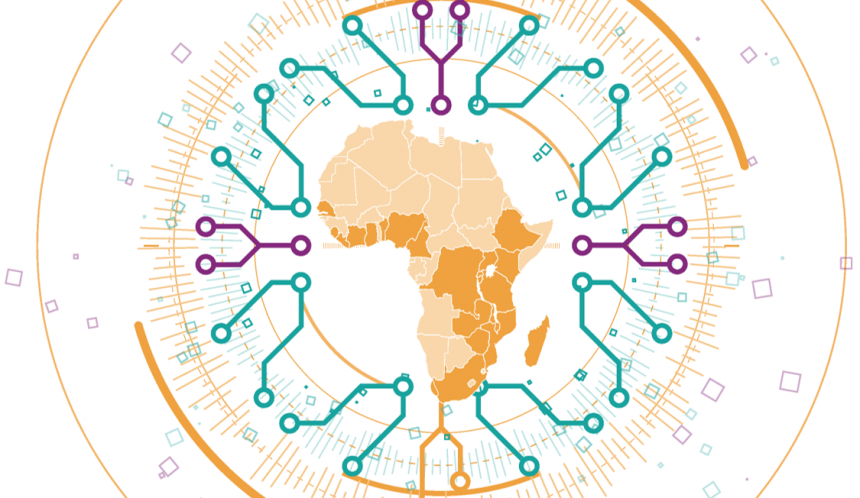
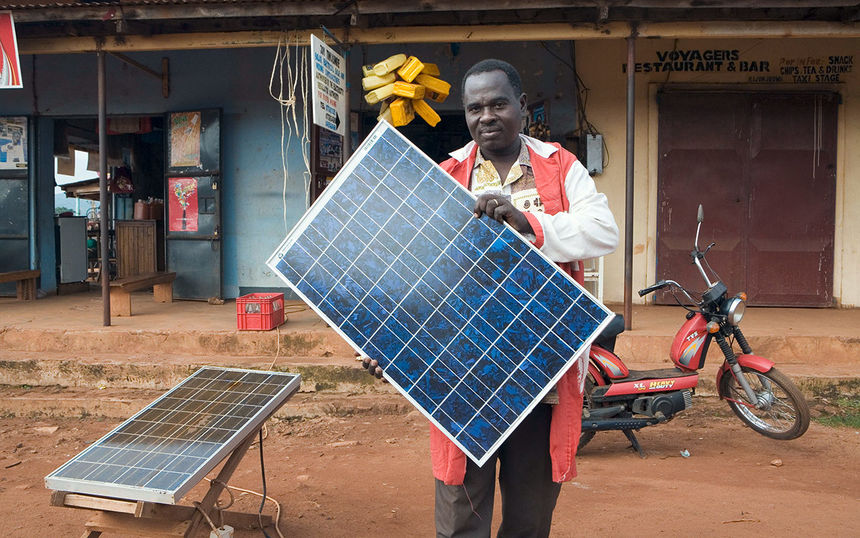
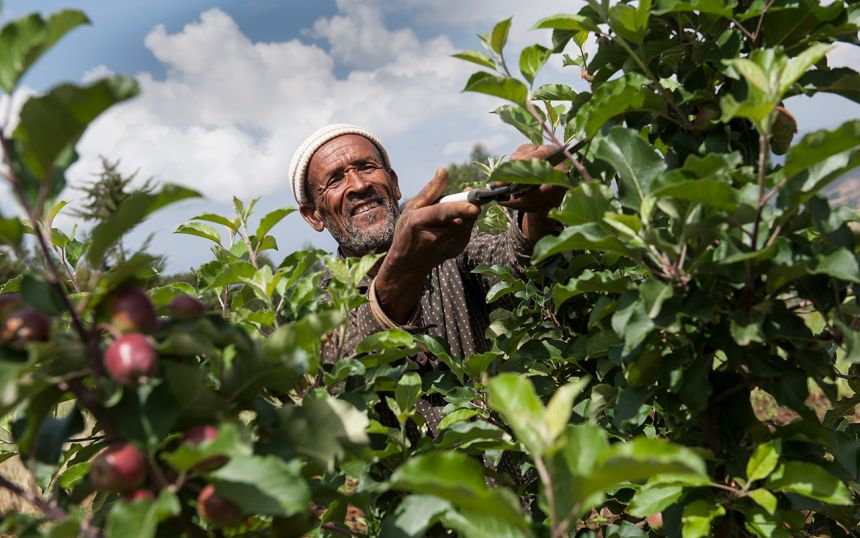
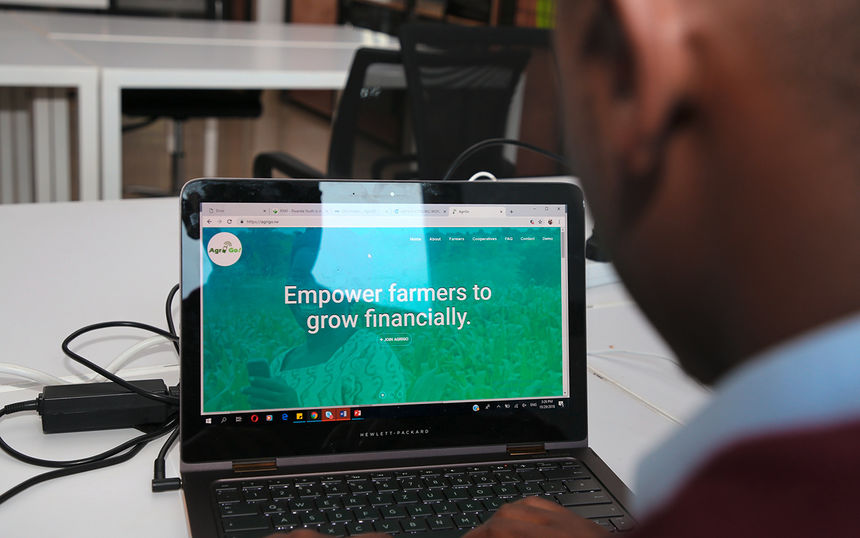
Africa's agriculture is undergoing a digital upheaval. New applications and innovations promise great effects, for example on field yields. Digitalization is therefore also one the most important keys in the global fight against hunger and for feeding a growing world population. However, the digitization of agriculture also poses major challenges and raises new questions. What does the promise of digital growth mean for agriculture?

Read more...

Rainer Kwiotek/ Menschen für Menschen

Africa's agriculture is undergoing a digital upheaval. New applications and innovations promise great effects, for example on field yields. Digitalization is therefore also one the most important keys in the global fight against hunger and for feeding a growing world population. However, the digitization of agriculture also poses major challenges and raises new questions. 

What does the promise of digital growth mean for agriculture?


(c) Joerg Boethling/GIZ

By Heike Baumüller

Artificial intelligence, big data and blockchain are the hottest topics of our time. The digital transformation of the African agricultural sector is ready for take-off. What will it take for the future of technology to hit the ground running?

(c) Katapult/GIZ

By Jan Rübel

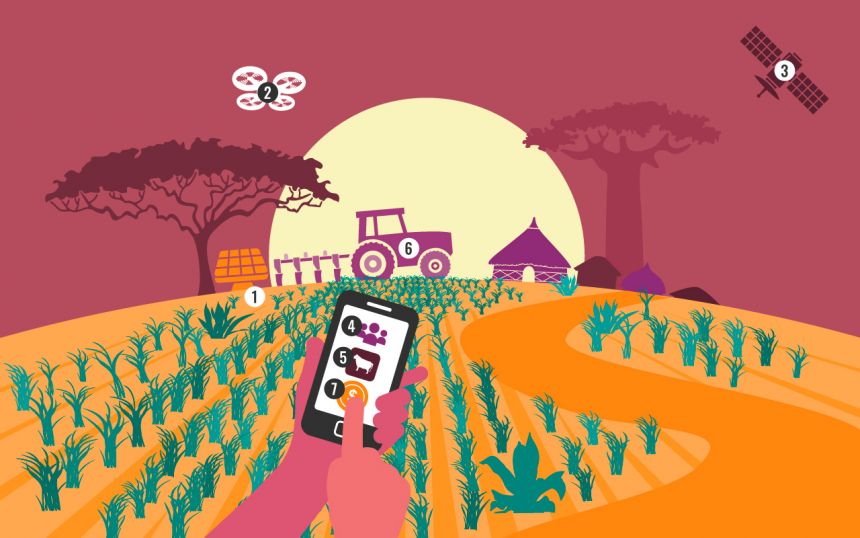
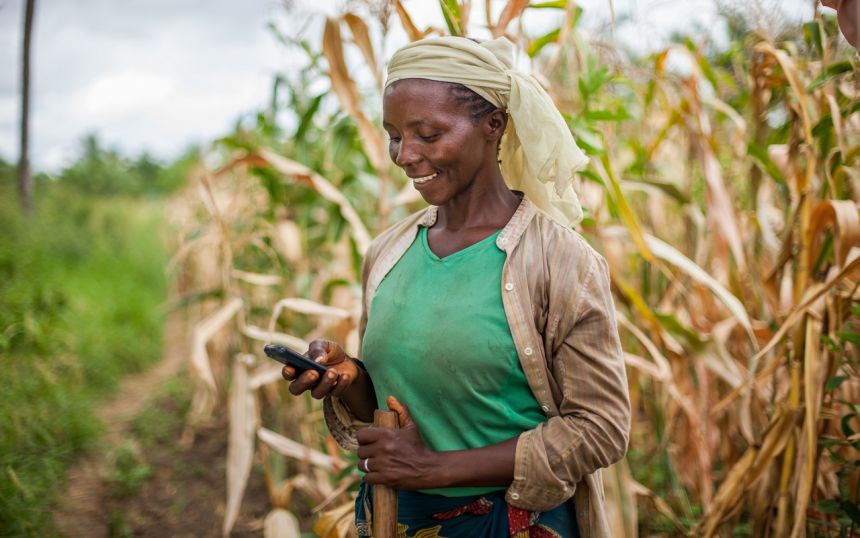
Lots of apps are entering the market, but what really makes sense? For African agriculture, some of it seems like a gimmick, some like a real step forward. So this is what a smallholder farm in Africa could look like today - with the help of smartphones, the Internet and electricity. 

(c) Christoph Pueschner/Zeitenspiegel

By Stig Tanzmann

Time to dig deeper: We can only benefit from technical progress if we have a solid legal framework for everybody. But so far, none is in sight - in many countries. Instead, international corporations grow ever more powerful.

The youngest continent

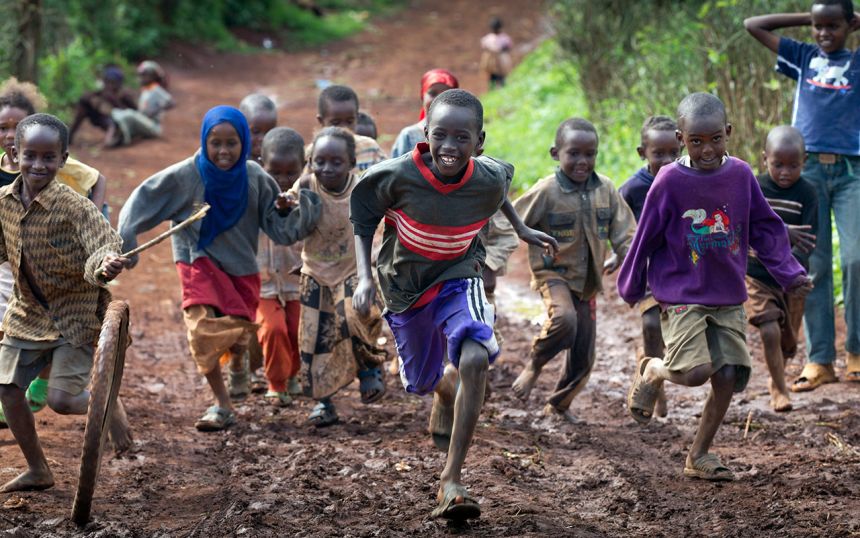
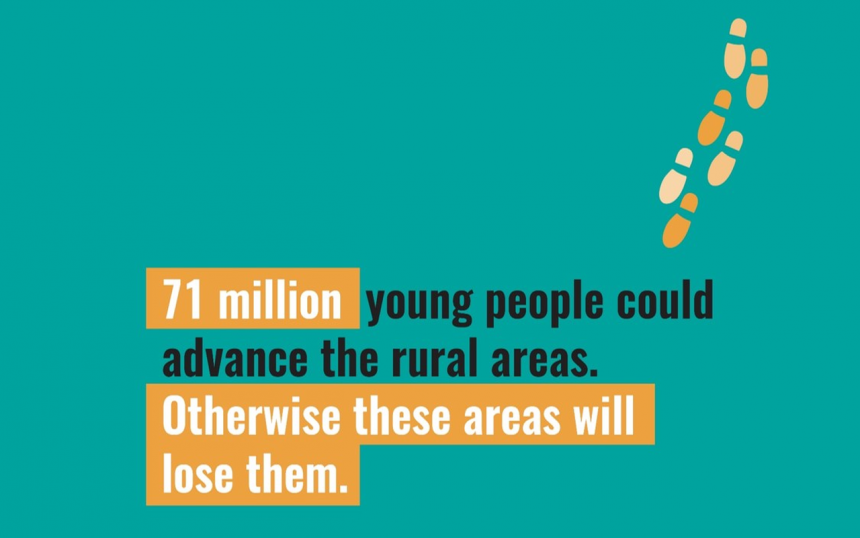
The average age on the African continent is 18 years. With a birth rate of five children per woman, the population is expected to double by 2050. At the same time, 90 % of all inhabitants of rural areas live in Africa and Asia.

Therefore Africas future lies in the hands of the largest rural youth generation of all time. This generation has the potential to reform rural areas. But it drives them into the cities. What to do about it?


Read more...

The average age on the African continent is 18 years. With a birth rate of five children per woman, the population is expected to double by 2050. At the same time, 90 % of all inhabitants of rural areas live in Africa and Asia.  


Therefore Africas future lies in the hands of the largest rural youth generation of all time. This generation has the potential to reform rural areas. But it drives them into the cities. What to do about it?

By the Bill & Melinda Gates Foundation

Africa’s population is young and ready to take its destiny into its own hands. Agriculture offers amazing opportunities in this regard. The Bill & Melinda Gates Foundation wants to support the next generation in this way.

GIZ study; conducted by Geopoll

Does Africa's youth want to live in the city or in the country? Which career path seems particularly attractive? And how optimistic are the young people about the future? Young adults from rural areas answered these questions by SMS.

Festveranstaltung zur AGRA Tagung im BMZ Berlin mit Strive Masiyiwa

Recording Townhall-Meeting Berlin

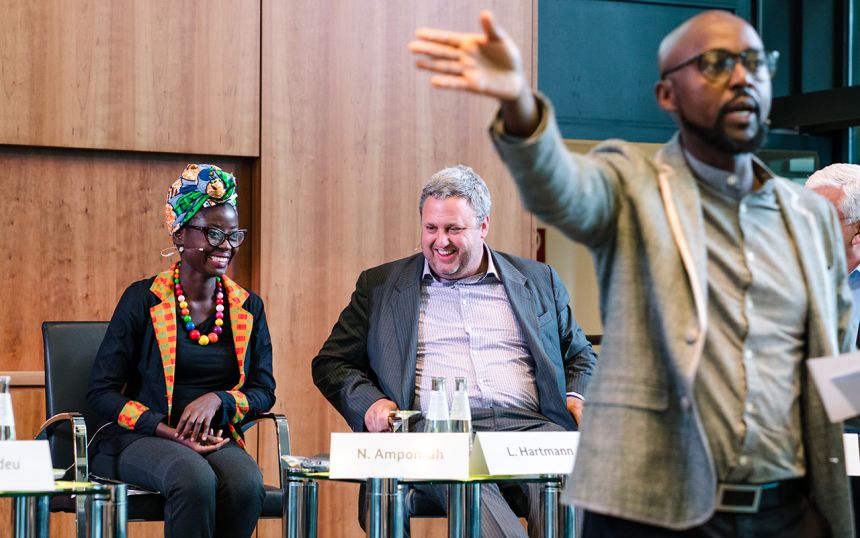
Berlin, December 2018: The well-known entrepreneur Strive Masiyiwa formulates a dramatic message at a performance in front of young researchers: Every policy in Africa must be geared towards young people. Documentation of a call.

A different Green Revolution in Africa

African agriculture is currently facing massive challenges. Due to continuous population growth, rural income must be dramatically raised and agricultural yields must increase sustainably despite climate change. What is the best way to manage this situation? Who are the main stakeholders to ensure socially responsible changes?
Read more...
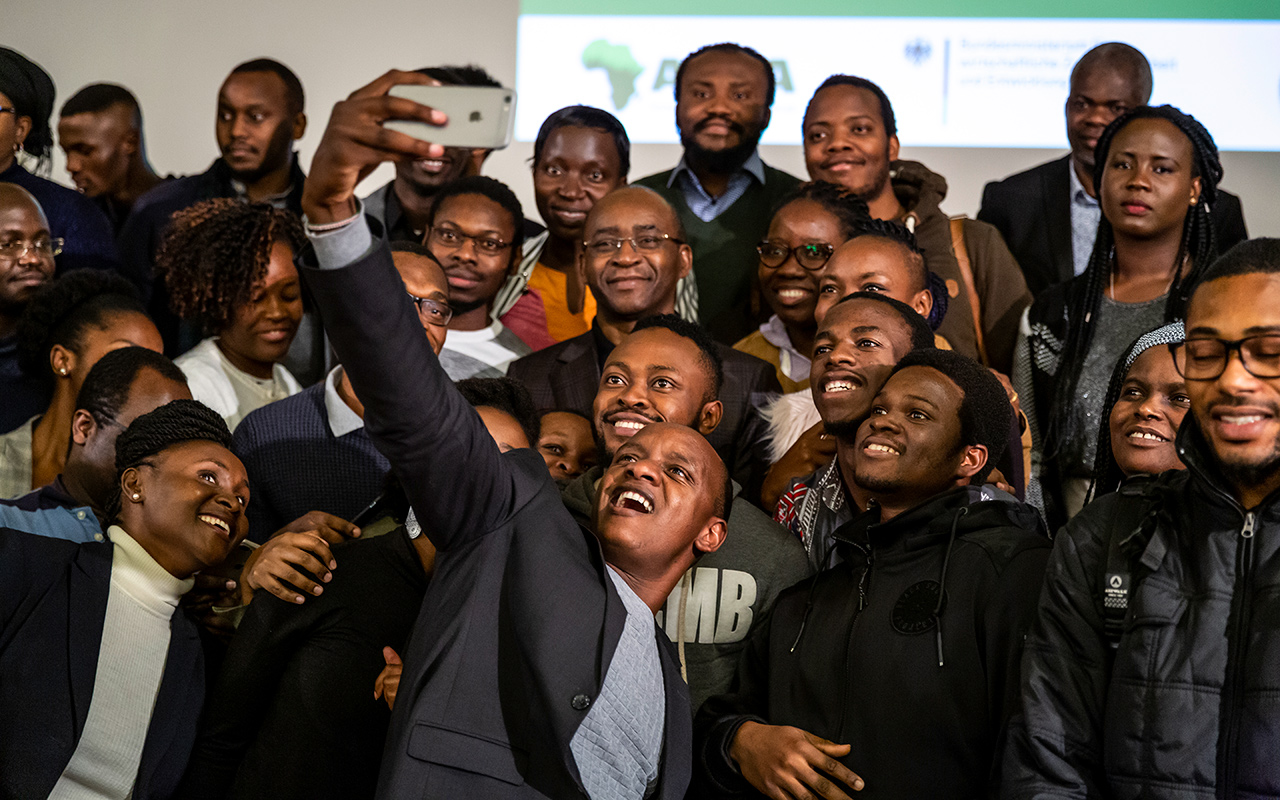
African agriculture is currently facing massive challenges. Due to continuous population growth, rural income must be dramatically raised and agricultural yields must increase sustainably despite climate change. What is the best way to manage this situation? Who are the main stakeholders to ensure socially responsible changes?

JOERG BOETHLING / GIZ

By Dr. Agnes Kalibata

Partnering for Africa’s Century: Innovation and Leadership as Drivers of Growth and Productivity in Rural Areas

Joerg Boethling/GIZ

Stig Tanzmann is a farmer and adviser on agricultural issues at ‘Bread for the World’. Jan Rübel interviewed him about his reservations about AGRA's strategy.

KLAUS WOHLMANN / GIZ

By Jan Rübel

From the lab to the masses: Maria Andrade bred varieties of biofortified sweet potatoes which are now widely used all over the continent. She sets her hope on the transformation of African agriculture.

From the Fields and into Parliament: Why Agriculture must be a Political Matter

Only if governments and administrations set the right course will the best agricultural practices come to be widely used. Agricultural cooperatives, human rights activists, companies and consultants recognise the leverage of agricultural policy and dialogue.
Read more...
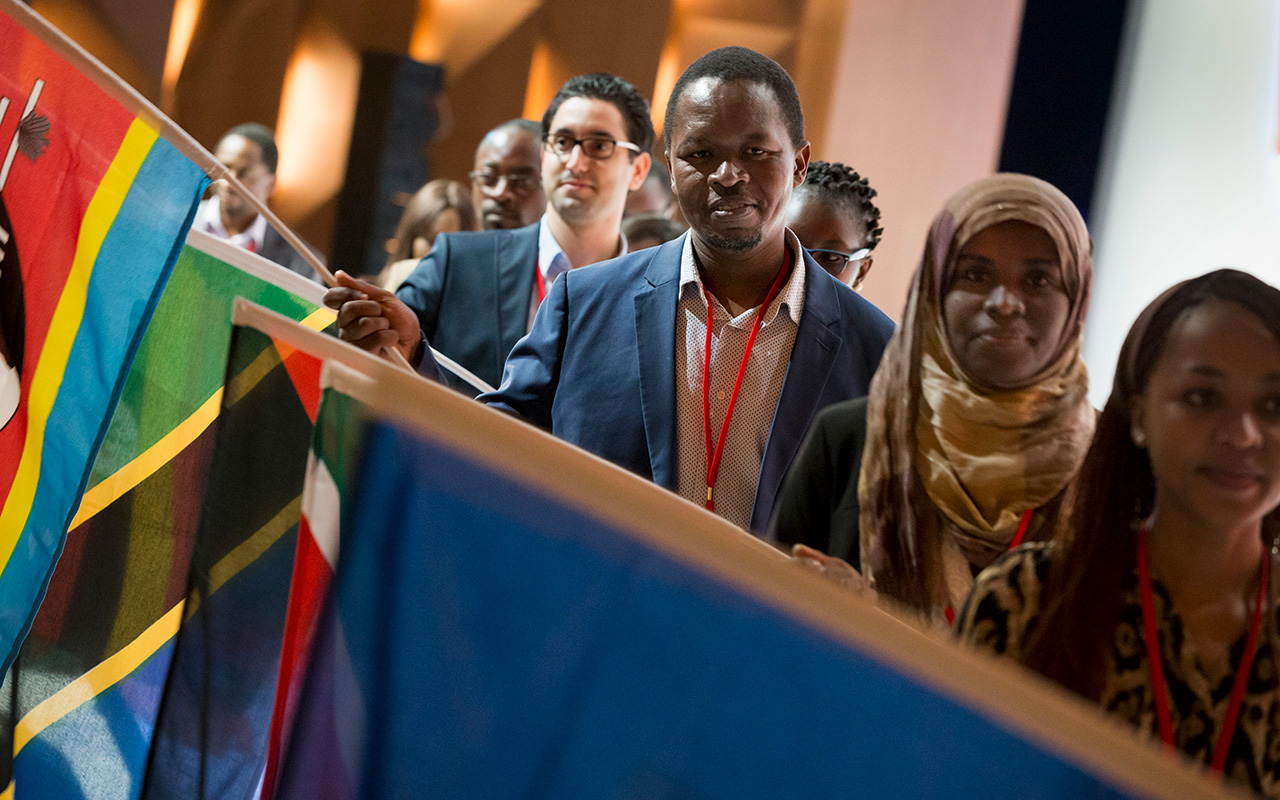
Only if governments and administrations set the right course will the best agricultural practices come to be widely used. Agricultural cooperatives, human rights activists, companies and consultants recognise the leverage of agricultural policy and dialogue.

Talking about climate, means talking about agriculture

In Africa droughts and other weather phenomena become more severe and more frequent. A more extreme climate threatens people and food security. Farmers and supporters are already reacting with seeds that are more adaptable, climate insurance or the establishment of enterprises. These are the risks, these are the success stories.
Read more...
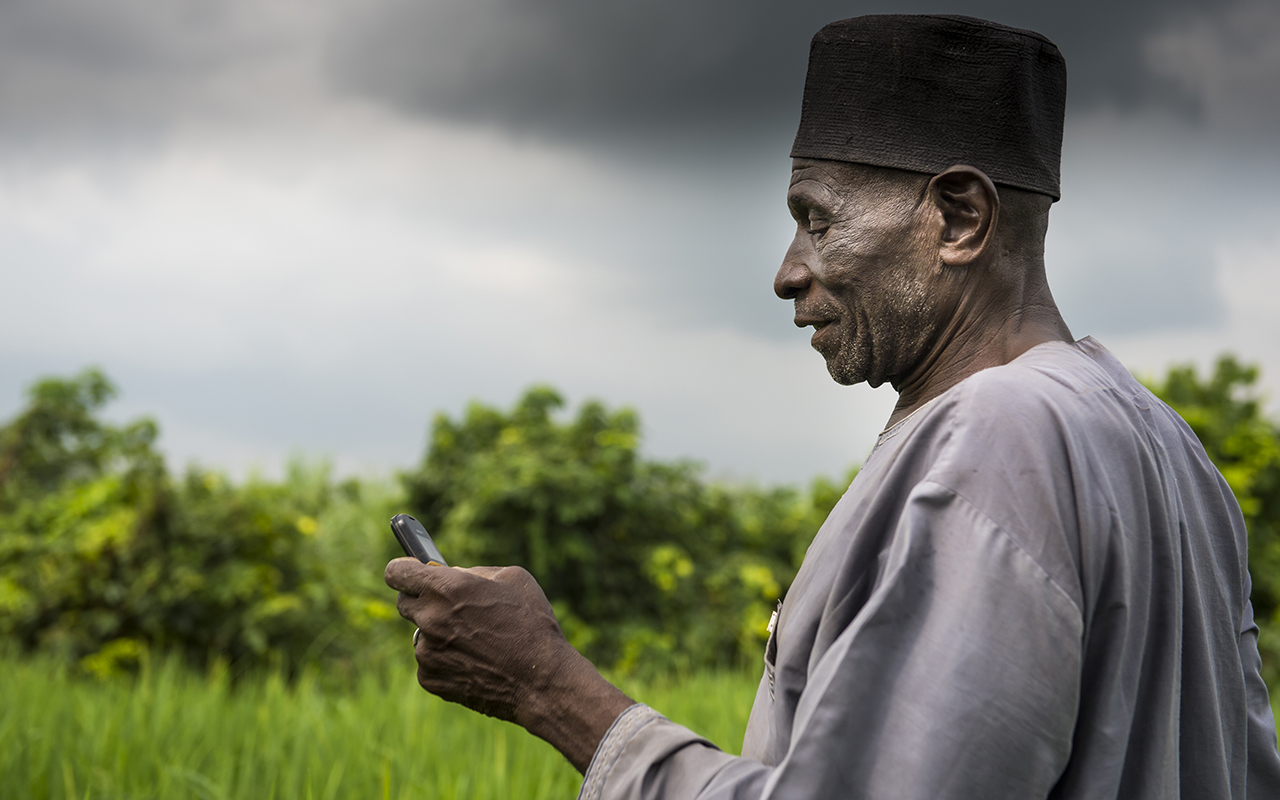
In Africa droughts and other weather phenomena become more severe and more frequent. A more extreme climate threatens people and food security. Farmers and supporters are already reacting with seeds that are more adaptable, climate insurance or the establishment of enterprises. These are the risks, these are the success stories.


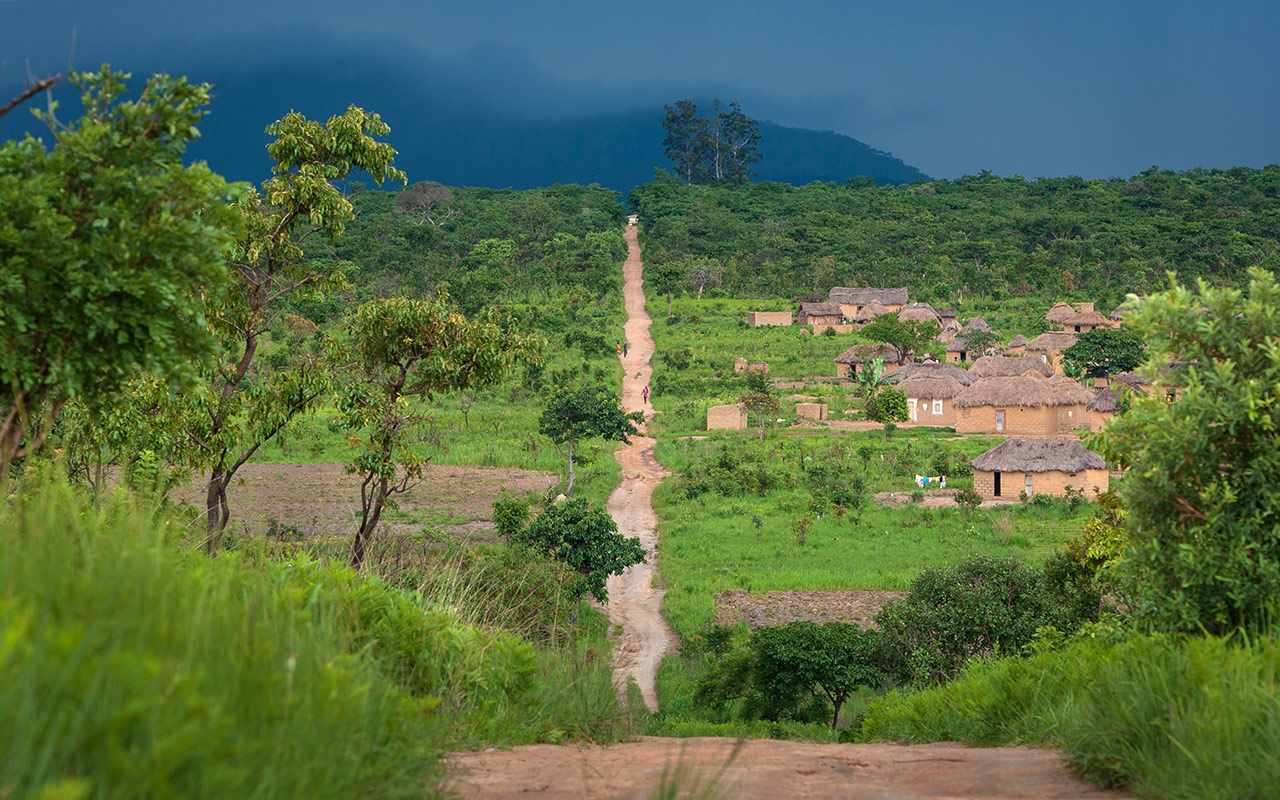
Ein schweres Unwetter zieht im Hochland von Angola auf.

By Alexander Müller, and Jes Weigelt

As the climate changes, the population of Africa is growing and fertile land and jobs are becoming scarcer. New ways are currently leading to urbanisation of agriculture and a new mid-sized sector in the countryside

Focus on West Africa: New impulses from the (agricultural) economy

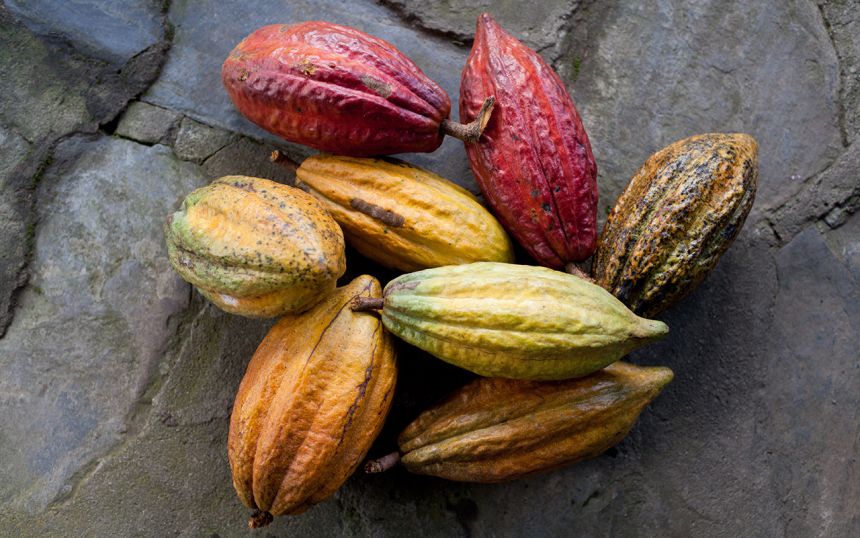
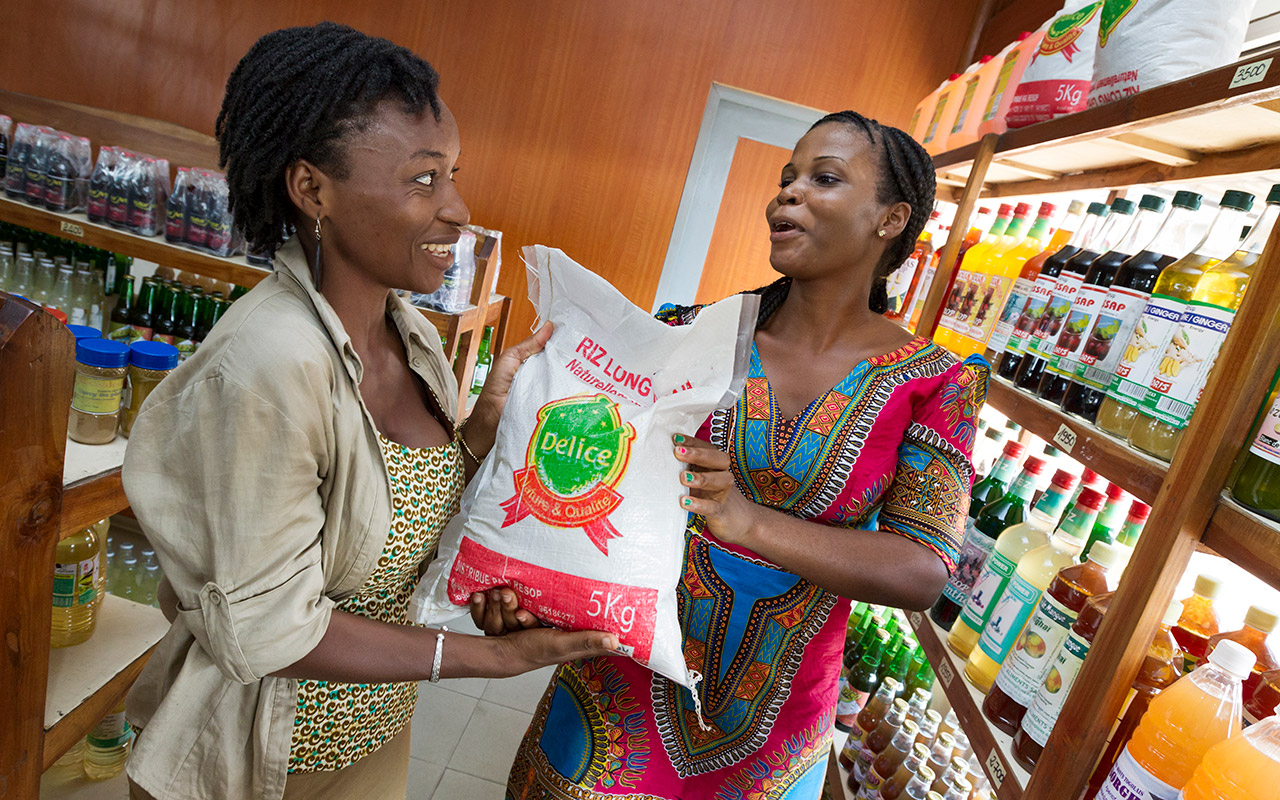
Some say that nothing works without the private sector. Others say that the development policy does not work like the free market. This debate is also fuelling new initiatives in West Africa. They range from the business of manure and the trade in domestic rice to the processing of cotton and the direct purchase of cocoa from the region by German manufacturers.
Read more...
(c) Christoph Püschner / Zeitenspiegel

Some say that nothing works without the private sector. Others say that the development policy does not work like the free market. This debate is also fuelling new initiatives in West Africa. They range from the business of manure and the trade in domestic rice to the processing of cotton and the direct purchase of cocoa from the region by German manufacturers.

Uli Reinhardt/Zeitenspiegel

Von Marlis Lindecke

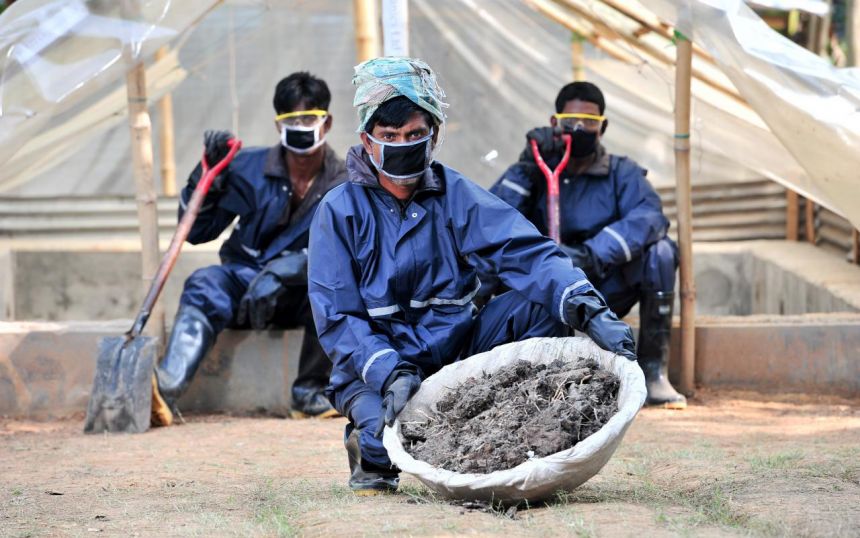
Shit Business is Serious Business: A successful cooperation between research and the private sector.

(c) Christoph Püschner

By Bettina Rühl

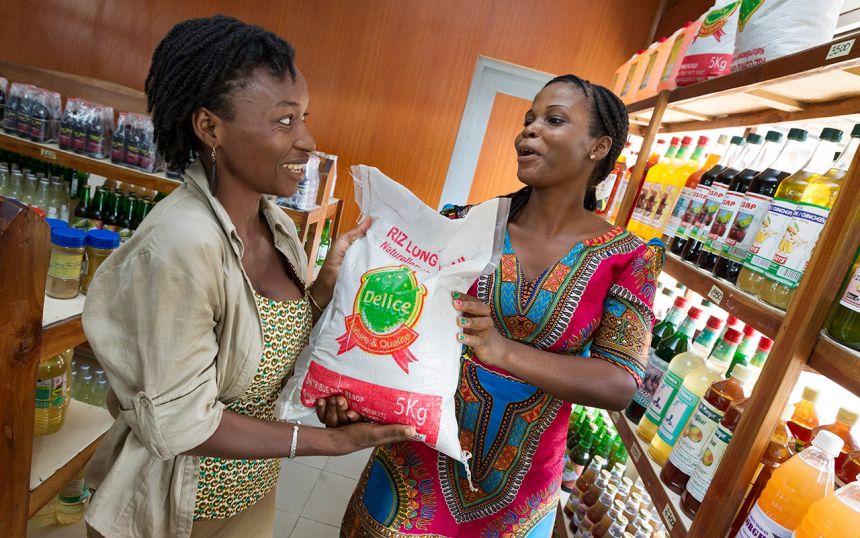
In Togo’s capital, Lomé, home-grown rice costs almost twice as much as the imported product from Thailand. Yet there are good reasons for preferring the local product

The Future of the Rural World

The future of humankind will be decided in rural areas. International experts from the world of politics, academia, the private sector and civil society and young Africans themselves share their vision, ideas and experiences.
Read more...
(c) Christoph Püschner / Zeitenspiegel

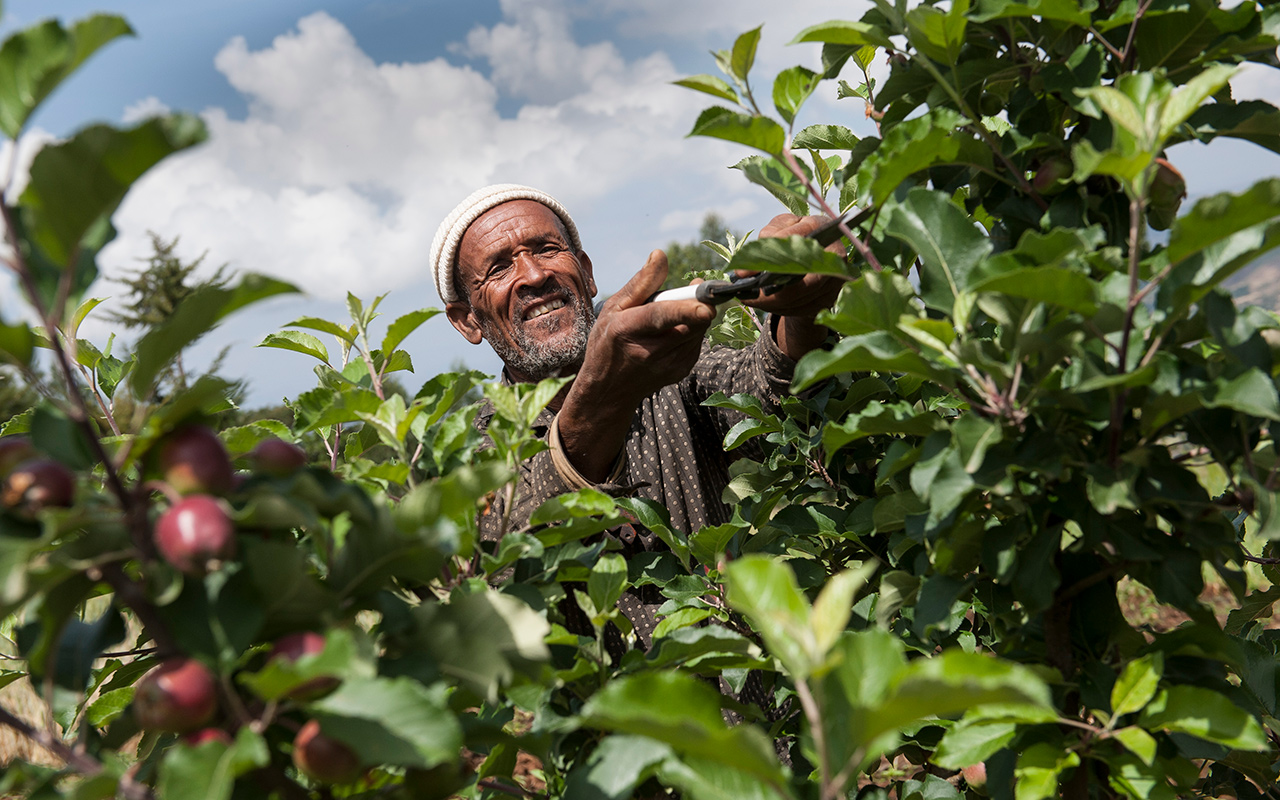
The future of humankind will be decided in rural areas. How can we create enough jobs and income in rural areas? How can a modern and sustainable agri-food sector contribute to solving these challanges? In this second issue of “world without hunger” our authors discuss new economic and political impetus, young African entrepreneurs tell their stories and we are searching for answers to the question how globalization can be shaped so the rural areas do not lose out.

(c) Dennis Williamson

By Horst Köhler

Africa’s biggest challenge – and its greatest opportunity – is its young people. The most important question is: to what weapon will Africa’s young people turn – the polling booth or the gun?

(c) Simon Veith

Interview with Lutz Hartmann

By leasing a three hundred hectare fruit plantation in Ethiopia, Lutz Hartmann has realised a long-cherished dream: to run his own business in Africa. Now he has a personal interest in the issue of Africa’s development.

(c) Welthungerhilfe

By Iris Schöninger

In 2030 one in every three people looking for work will come from Africa. Today decent work is still a rarity on the continent, but developing the rural areas can solve the problem.

New ideas against hunger

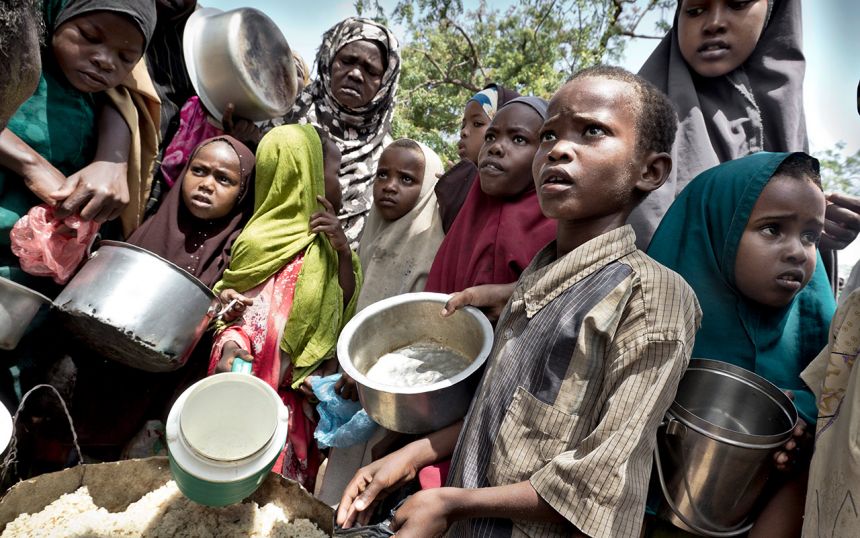
Shepherds become entepreneurs, aid workers coordinate their projects via satellites, drones sow millet: people all around the word fight against hunger. Our magazine collects their ideas and experiences.
Read more...

Editorial Ausgabe 1

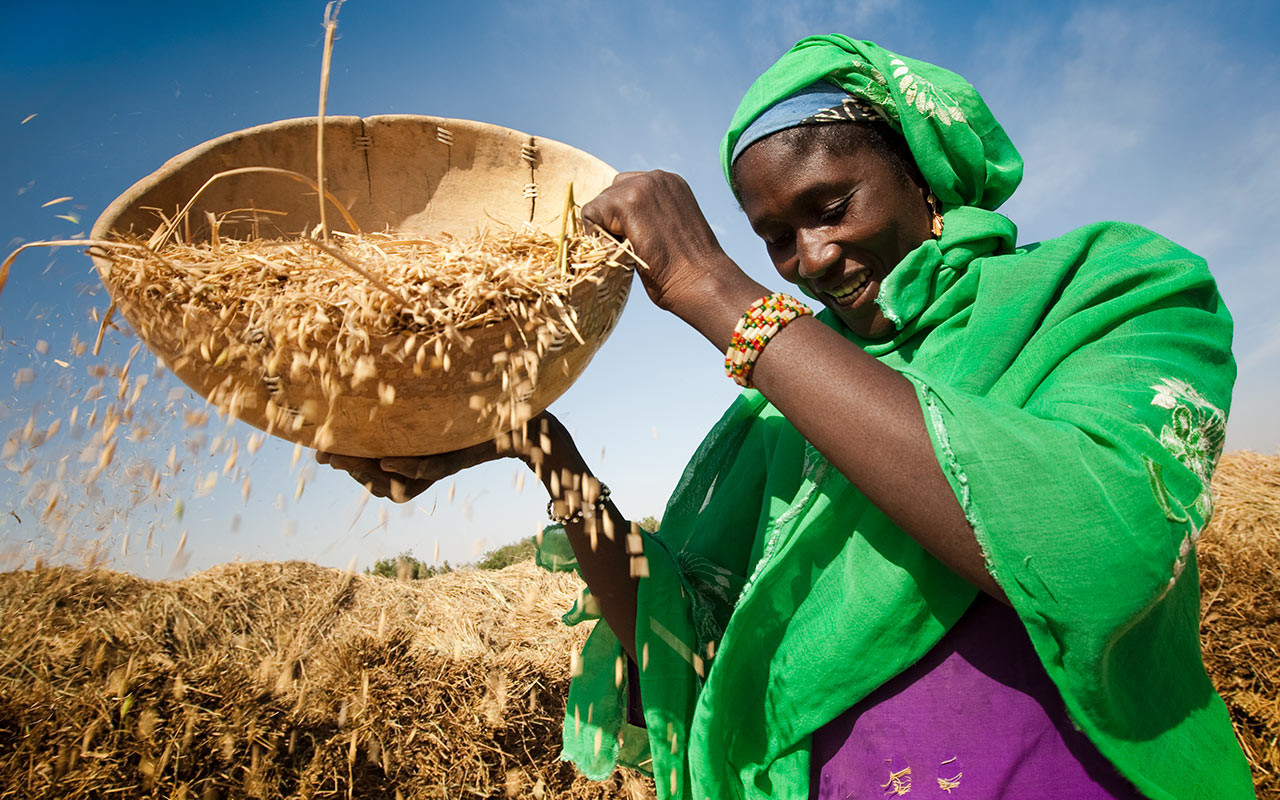
Shepherds become entepreneurs, aid workers coordinate their projects via satellites, drones sow millet: people all around the word fight against hunger. Our magazine collects their ideas and experiences.

Der ehemalige Bundesumweltminister Klaus Töpfer (CDU) ©Patrick Seeger/dpa

By Klaus Töpfer and Alexander Müller

Production of 95 per cent of all food is based on soil. Yet soils everywhere are under threat. We illustrate the role of development cooperation by considering soil.

© AHA

By Andreas Quiring

Strong farmes are the key to a self-determined, sustainable development. Social innovations can help make the farmers’ actual needs the benchmark.

By Jenny Walther-Thoß

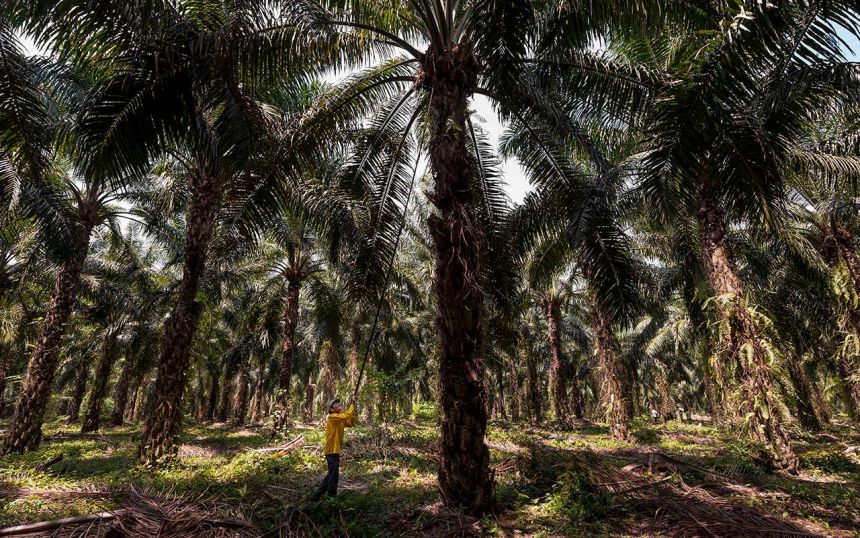
In the tropics rainforests are still being felled for the production of palm oil, meat and furniture. It is high time to act. Proposals are on the table.

Talks

Projects

Active together

Why we are hereOne World No Hunger until 2030. That is our common goal. To achieve it we pursue various approaches and ideas that we present here.

Everything counts

0
Projects
0
Partners
0
Authors
0
Countries
Days to 2030